Terminix vs Orkin for Termites: Comparison + Local Alternatives
Quick answer
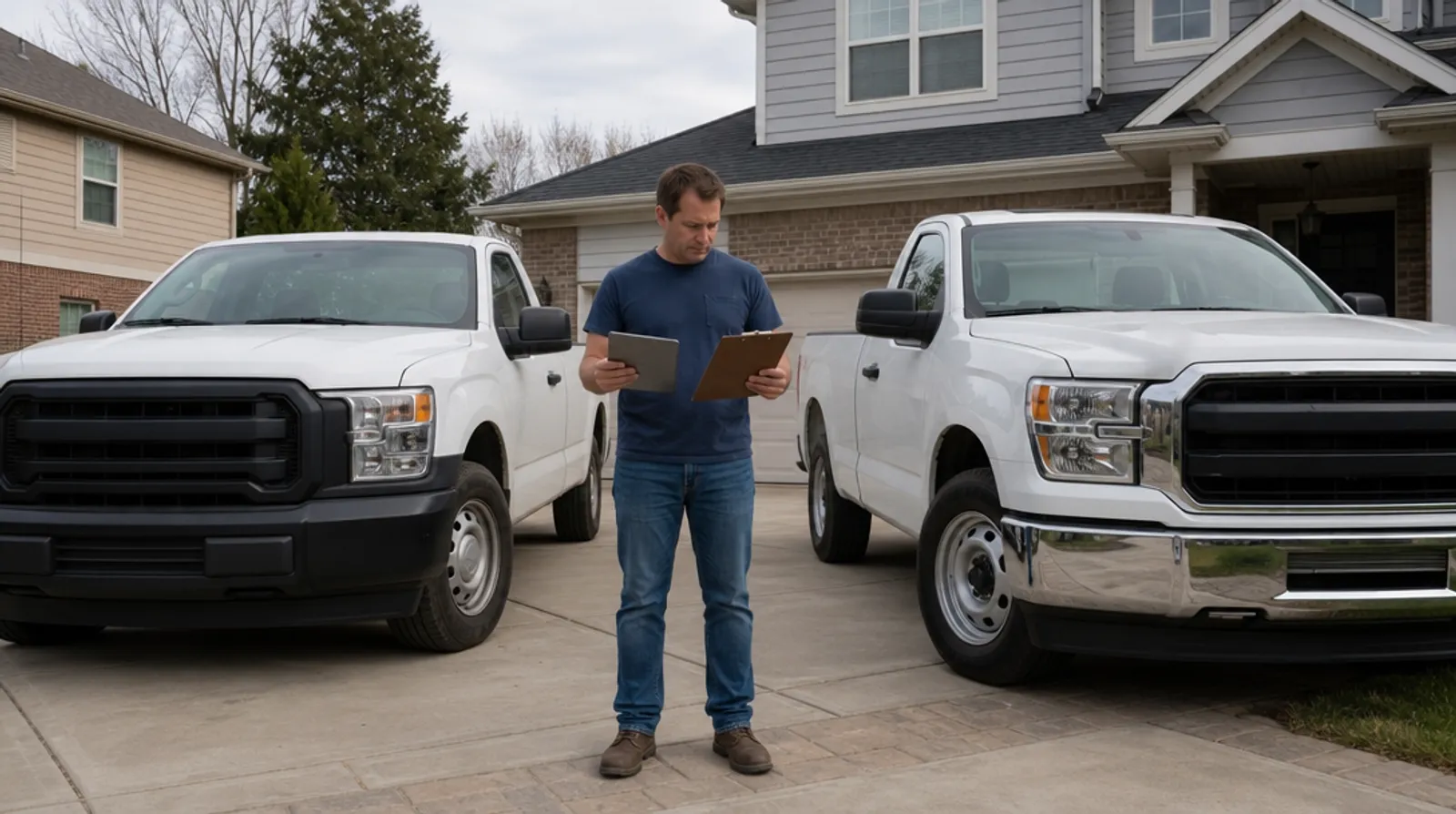
Terminix and Orkin are the two largest termite providers in the US and their offerings are similar: inspection, liquid or bait treatment, and an annual bond with a retreatment guarantee. Both quote only after inspection — expect treatment in the national $550–$2,500 band plus a few hundred a year for the plan. The real leverage is a third quote from a licensed local company, which often lands 20–40% lower.
Terminix and Orkin spend more on advertising than the rest of the termite industry combined, which is exactly why homeowners should comparison-shop them. Brand recognition is not a treatment method.
This guide compares the two giants on what actually matters — treatment options, guarantee terms, contract traps and typical pricing — and then makes the case this directory exists for: licensed local companies quoting the same work, often for meaningfully less. Find licensed operators on your state page.
Terminix vs Orkin at a Glance
| Terminix | Orkin | |
|---|---|---|
| Coverage | Nearly all 50 states | Nearly all 50 states |
| Initial inspection | Often free, sometimes $75–$250 credited to treatment | Often free, sometimes $75–$250 credited to treatment |
| Treatment methods | Liquid soil treatment, bait station systems, spot treatments; fumigation in drywood markets | Liquid soil treatment, bait and monitoring systems, spot treatments; drywood services vary by branch |
| Ongoing protection plan | Annual inspections + retreatment guarantee | Annual inspections + retreatment guarantee |
| Damage repair coverage | Available on higher-tier plans, with caps | Available on select plans, with caps |
| Typical initial treatment quote | ~$550–$2,500, set after inspection | ~$550–$2,500, set after inspection |
| Typical annual plan | ~$350–$600 | ~$350–$600 |
| Contract | Annual, auto-renewing | Annual, auto-renewing |
The table is deliberately symmetrical because the businesses are. The meaningful differences show up branch by branch and in the fine print of the guarantee, not in the logo.
What Terminix and Orkin Have in Common
Before picking between them, understand how much they share:
- Inspection before pricing. Neither publishes flat termite rates. A technician inspects, measures linear footage and quotes based on construction type, severity and species.
- The same treatment toolkit. Both rely on non-repellent liquid soil treatments and termite bait station systems for subterranean termites, plus spot treatments and, where offered, fumigation for drywood termites. The active ingredients are industry-standard — there is no secret Terminix or Orkin chemistry. Our termite treatment guide explains each method.
- The plan model. The real product is the annual protection plan: scheduled inspections plus free retreatment if activity returns. This is functionally a termite bond, and it should be evaluated like one.
- Branch variability. Both are franchise-scale networks. Reviews for the same brand range from excellent to poor depending on the local office, so a national reputation tells you less than your branch’s track record.
Terminix for Termites
Terminix is the larger pure-play termite brand and treats termites as a core line rather than an add-on. Its termite plans bundle an initial treatment with annual inspections and a retreatment guarantee; higher-tier plans add repair coverage for new damage, usually capped and conditioned on keeping the plan active.
Strengths: national footprint, termite-specialized branding, transferable protection plans that can help at resale, and frequent bundling with general pest control.
Weaknesses: quotes tend to land at the higher end of the market, the sales process is aggressive in some branches, and the cheapest tier is typically retreat-only — no repair money if termites come back and eat something.
Orkin for Termites
Orkin is the larger general pest control company, with termites as one major service line. It builds custom treatment plans after inspection — liquid termiticide barriers, bait and monitoring stations, and drywood services where the branch offers them — backed by a retreatment guarantee, with repair coverage available on select plans.
Strengths: long operating history, a well-known technician training program, and local branch accountability in most markets.
Weaknesses: the same branch variability, annual plan fees comparable to Terminix, and drywood/fumigation capability that depends heavily on region — in some markets the work is referred out rather than performed in-house.
Terminix vs Orkin: Cost Comparison
Both companies price after inspection, so any fixed number you see advertised is a starting point, not a quote. Based on homeowner-reported quotes and national cost data:
| Item | Typical range | Notes |
|---|---|---|
| Termite inspection | Free – $250 | Often promotional; sometimes credited toward treatment |
| Initial liquid or bait treatment | $550 – $2,500 | Scales with linear footage, construction and severity |
| Whole-structure fumigation | $2,000 – $8,000 | Drywood markets; availability varies by branch |
| Annual protection plan | $350 – $600 per year | Covers inspections and retreatment; repair extra |
These sit inside the national bands — most US homes pay $225–$2,500 for treatment, and termite bonds run $150–$400 a year at independent companies. Full method-by-method numbers are in our termite treatment cost guide.
Two pricing realities to keep in mind. First, quotes for the identical house routinely differ 30–50% between providers, including between these two. Second, both companies discount when they know you are collecting competing quotes — a polite “I’m getting two more estimates” is worth real money.
Guarantees and Contracts: Where the Real Difference Is
The treatment itself is nearly a commodity; the contract is not. When you compare Terminix and Orkin quotes, compare these four lines:
- Retreat-only vs retreat-and-repair. Retreat-only means they re-treat returning termites free — but new damage is your problem. Repair coverage pays for new damage up to a cap, with conditions (often excluding pre-existing damage and requiring continuous plan payments).
- Transferability. A plan that transfers to the buyer is a genuine asset when you sell, especially alongside the termite letter most closings require. Ask whether transfer is free and automatic or fee-based and conditional.
- Cancellation and auto-renewal. Annual plans typically renew automatically. Look for the notice window, any early-termination fee, and what happens to the guarantee if you cancel (usually: it dies immediately).
- What voids the guarantee. Common triggers: missed renewal payments, unreported structural changes, unresolved moisture problems. Know them before you sign, not after a claim is denied.
Whatever either company promises verbally, the written agreement governs. A guarantee that is not in the contract does not exist.
So, Terminix or Orkin?
If both serve your address, decide on evidence, not ads:
- Quotes within a few hundred dollars of each other? Choose on guarantee terms — repair coverage, transferability, cancellation — not on price.
- Active drywood infestation in a tenting market? Ask each branch directly whether it performs fumigation in-house and who stands behind the warranty on that work.
- Already a customer of one for general pest control? Bundling discounts can make the incumbent the better deal; still get the competing quote to anchor the negotiation.
- Either quote far above the national bands? Treat that as a signal to slow down and collect a third opinion before signing anything.
Local Alternatives: Get the Third Quote
Here is the part neither brand advertises: local licensed termite companies use the same termiticides, the same bait station technology and the same inspection standards. What they do not carry is national advertising overhead and franchise fees — which is why independent quotes for equivalent scope regularly come in 20–40% lower, and why many independents offer repair-inclusive guarantees at prices where the giants offer retreat-only.
The playbook is simple: get written, itemized quotes from Terminix, Orkin and at least one licensed local company; compare scope and guarantee line by line; then decide. Verify any company’s license through your state regulator before signing. Licensing rules, typical prices and the termite species that matter vary by state — start with our state termite guides to find licensed local operators and what treatment typically costs in your area.
Questions to Ask Either Company (and Any Local One)
- What species did you find, and where exactly is the evidence?
- Which treatment method are you proposing, and why over the alternatives?
- Is the quote all-inclusive — drilling, patching, and retreatment if activity returns?
- Is the guarantee retreat-only or retreat-and-repair, and what is the repair cap?
- Is the plan transferable to a buyer, and is there a fee?
- What are the cancellation terms, and what voids the guarantee?
- Can I verify your state license number?
Any company that resists written answers to these questions has told you what you need to know.
Frequently asked questions
Is Terminix or Orkin better for termites?
How much does Terminix or Orkin termite treatment cost?
Which is cheaper, Terminix or Orkin?
Do Terminix and Orkin offer free termite inspections?
Do Terminix and Orkin guarantees cover termite damage repair?
Can I cancel a Terminix or Orkin termite contract?
Are local termite companies better than Terminix or Orkin?
Is termite treatment covered by homeowners insurance?
Last updated: 2026-08-19